Honoring the Final Journey: Social Fabrics and Cultural Customaries in India
Wiki Article
Within the vibrant subcontinental heritage of India, cultural practices surrounding the final farewell of a community member stand as a timeless testament to community devotion. Across every regional territory, the traditions associated with honoring an individual's earthly chapter combine artistic beauty, historical reverence, and communal harmony. Rather than focusing merely on loss, these ceremonies strengthen social continuity, fostering hospitality, deepening community ties, and upholding generational respect. The quiet period immediately after a farewell are observed with attentive care and respect. Close relatives assemble to carry out customary washing and dressing preserved within family lines. The departed loved one is dressed in spotless traditional attire that reflect regional dress customs. In many traditions, classic white attire is selected, representing equality, calm reverence, and timeless grace. Among various ethnic lineages, festive cultural cloths are chosen to honor the individual's age, social role, or lineage. Fresh blossoms and natural garlands form a central element in these preparations. Artistically woven wreaths of sweet jasmine, brilliant marigolds, and fresh roses are layered gracefully upon the resting platform. This floral art serves a profound purpose; they express the collective affection and high esteem of the community. The gentle application of aromatic sandalwood paste, natural rosewater, and traditional herbal essences further highlights the aesthetic elegance and loving care embedded within the home-based preparations. Among the most celebrated social features of these traditional farewells is the solemn walk of honor from the household to the local ceremonial grounds. Referred to as a collective march of respect, this peaceful walk along shared streets turns family sorrow into a dignified public tribute. Community members, distant relatives, and lifelong friends assemble along the entry paths, dressed in modest, unadorned traditional white clothing creating a peaceful, harmonious visual atmosphere. The rested individual is borne on a handmade platform assembled from natural materials, covered with decorative cloths and floral wreaths. As the walk progresses toward the resting destination, neighbors exchange places to help carry the bamboo litter. Sharing this physical task stands as a powerful symbol of communal respect, symbolizing that no family carries the weight of a farewell alone. Across numerous localities, the gentle chiming of bells and melodic flutes enhances the journey, offering a graceful auditory backdrop that informs the local district of a completed life journey. Rich regional contrasts show up distinctly in the local variations that mark each district's traditional customs. Even as mutual respect and community participation stay identical throughout, the specific expressions vary dramatically according to regional heritage and local ancestry. Dead Body Transportation in Delhi Whether the final resting customs involve traditional earthen burials or ceremonial fire arrangements, the practice remains deeply rooted in local philosophy of restoring balance with the surrounding natural world with complete respect for the earth and ancestral eco-friendly customs. Following the primary ceremonial rites, family life shifts into a structured phase of quiet reflection, observed over nearly two weeks. Throughout these days, the domestic residence serves as a welcoming venue for guests arriving from nearby and far-off locations who drop in to share comfort and honor the family. Receiving guests with warmth remains a top priority. Wholesome vegetarian dishes are cooked continuously to serve all guests who arrive to honor the family. This practice of joint dining creates strong emotional bonds, helps visitors reflect on the individual's positive contributions, and ensures that the grieving household is fully supported with daily necessities by the broader social network. The closing of the formal hosting phase features a generous community gathering. Senior relatives recount the person's life history, good deeds, and values, passing down valuable life lessons to youth. Acts of charitable giving—including gifting garments to neighbors, funding local schools, or providing meals to the needy—are traditionally performed in honor of the departed, reinforcing the value of community service and social responsibility.
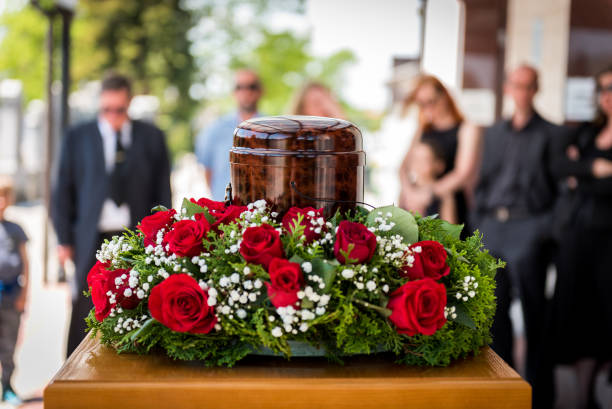
Swarga Vatika Crematory Hyderabad Families across India handle these dignified moments through a harmonious mix of joint effort and refined etiquette. Across both historic towns and modern neighborhoods, the active participation of the surrounding community forms the cornerstone of every ceremonial proceeding. This social tradition provides a supportive atmosphere where loved ones share comfort, honor lived memories, and preserve personal accomplishments.
Loving Preparation and Aesthetic Elegance
Processions of Honor: Community Unity
Element
Traditional Medium
Cultural Significance
Attire
Unadorned White Textiles
Represents purity, equality, and shared grief.
Resting Platform
Natural Bamboo and Rattan
Reflects connection to nature and traditional craftsmanship.
Wreaths
Marigolds and Jasmine
Expresses high regard, warmth, and artistic beauty.
Herbal Preparations
Herbal Extracts and Rose Oils
Offers a fresh, dignified atmosphere.
Regional Expressions of Honor
Gatherings of Remembrance and Community Care
Conclusion: An Enduring Legacy of Respect
Dead Body Transportation in Pune These subcontinental customs demonstrate a beautiful example of deep-seated hospitality, cultural elegance, and mutual care. By handling personal farewells with public grace and communal support, these customs prove the enduring value of shared hospitality and tradition. By combining fragrant floral arts, dignified processions, local customs, and charitable giving, Indian culture honors the journey of the individual while fortifying the enduring bonds of the community for generations to come.